
Proper care helps jewelry retain its appearance and protects the materials and finishes that make each piece unique. Different metals, gemstones, pearls and contemporary materials require different approaches to cleaning and storage.
This guide covers the care of sterling silver, 18K gold, gemstones, pearls, nylon jewelry and pieces with special finishes. When caring for any piece of jewelry, always consider every material used in the design before choosing a cleaning method.
Jewelry naturally collects oils, cosmetics, dust and residue through everyday wear. Regular gentle cleaning can help prevent this buildup and reduce the need for more aggressive cleaning later.
Remove jewelry before swimming, using household chemicals or doing activities that could expose it to unnecessary impact or abrasion. Cosmetics, lotions, perfumes and hairsprays are best applied before putting on jewelry.
When storing jewelry, keep pieces separated whenever practical to help prevent scratching, tangling and unnecessary contact between different materials.
Sterling silver is an alloy containing 92.5% silver. Over time, sterling silver may naturally develop tarnish as the metal reacts with compounds in the surrounding environment.
Tarnish is a surface reaction and does not mean that the silver is damaged. Regular wear and appropriate cleaning can help maintain the appearance of sterling silver jewelry.
For routine cleaning, use warm water with a small amount of mild dish soap. Gently clean the jewelry with your fingers or a very soft brush when appropriate, then rinse thoroughly and dry completely with a soft cloth.
Always consider gemstones, pearls, plating, oxidized areas and other materials before immersing an entire piece in water or cleaning solution.
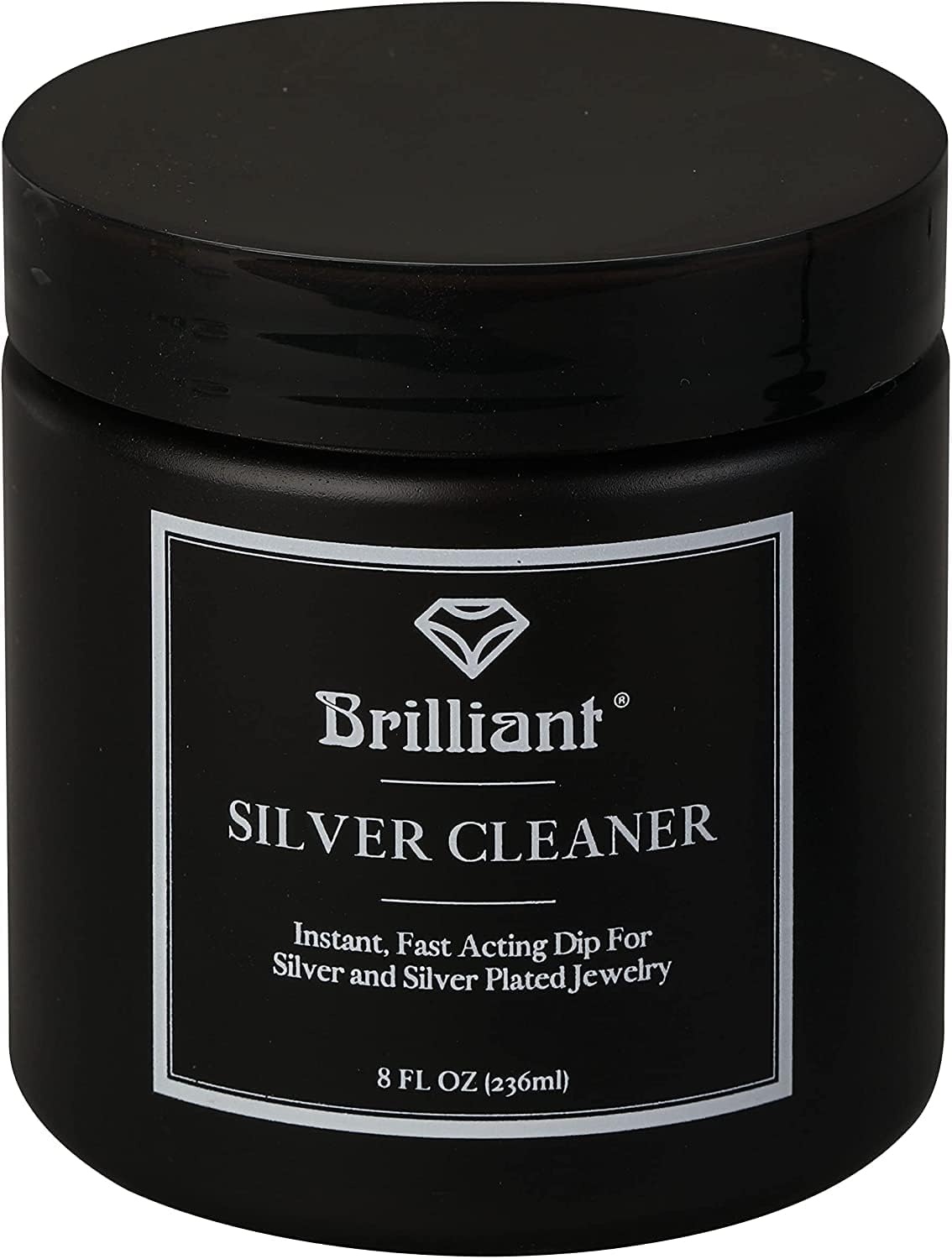
When tarnish develops, a cleaner specifically intended for sterling silver may be appropriate for suitable jewelry. Follow the manufacturer's directions carefully and avoid leaving jewelry in chemical cleaning solutions longer than recommended.
Jewelry containing gemstones, pearls, oxidized details, plating or other special surfaces may require a gentler cleaning method.
For more information about using a liquid silver cleaner, see our Brilliant Silver Cleaner guide.
Many Oliver Hampel designs feature intentional matte or satin silver surfaces rather than a highly polished finish. These finishes are part of the character of the jewelry and should be treated differently from polished silver.
Avoid aggressive polishing with abrasive silver-polishing cloths or compounds on matte and satin areas. Repeated polishing can gradually smooth the surface and make the finish appear shinier.
Gentle cleaning is generally preferable when the goal is to preserve the original surface texture.
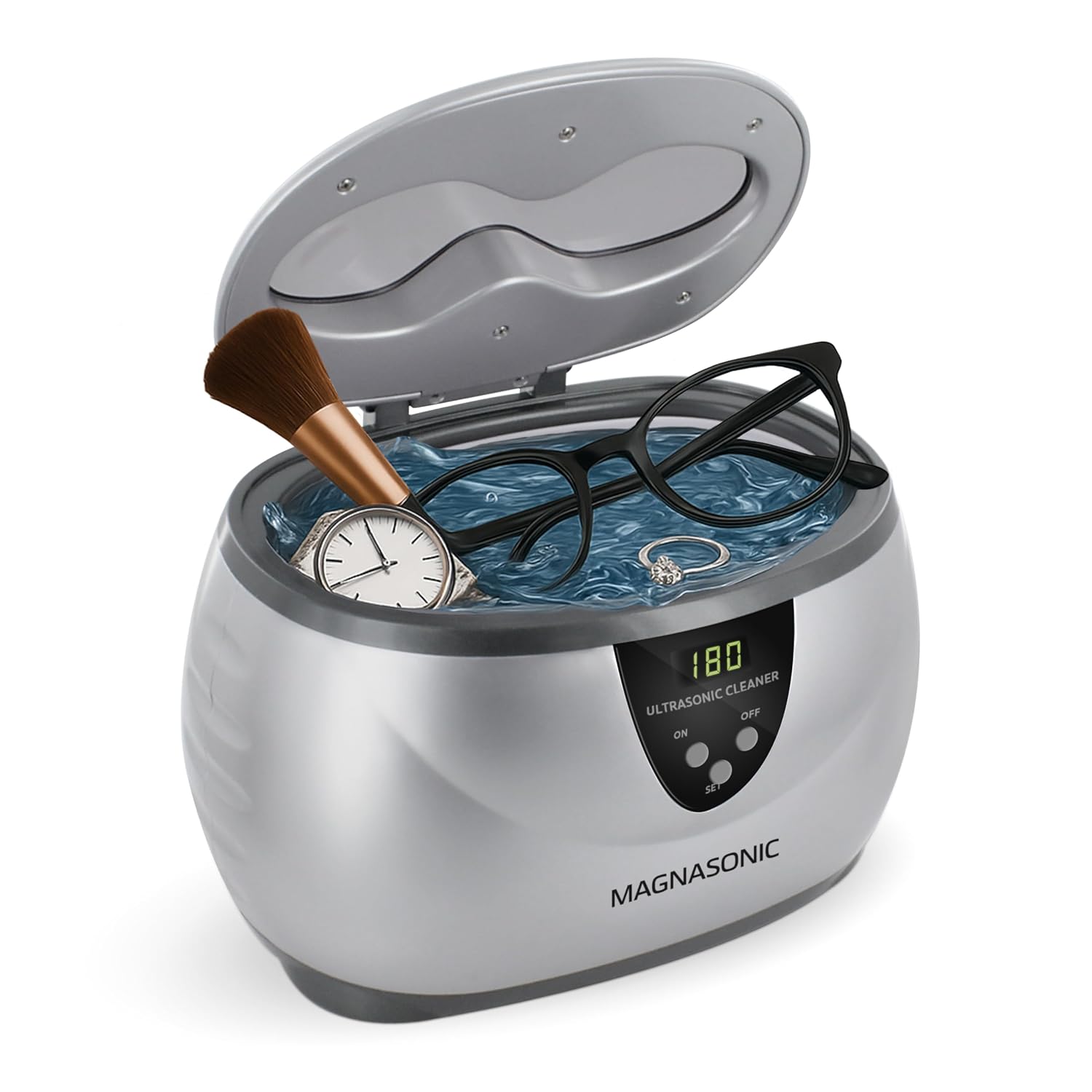
Ultrasonic cleaners can be effective for some jewelry because high-frequency sound waves help loosen dirt and residue from areas that are difficult to reach by hand.
However, ultrasonic cleaning is not appropriate for every piece. Pearls, delicate or porous gemstones, some treated stones, fragile settings and certain surface treatments should not be cleaned ultrasonically.
Check stone settings and the overall condition of the jewelry before ultrasonic cleaning. If you are uncertain whether a piece is suitable, use a gentler cleaning method instead.
For a closer look at ultrasonic jewelry cleaning and when it is appropriate, see our Magnasonic Ultrasonic Jewelry Cleaner guide.
Proper storage can help slow the development of tarnish. Store sterling silver jewelry clean and completely dry, preferably in a closed jewelry bag or container when it is not being worn.
Anti-tarnish bags, tabs or strips can help reduce exposure to environmental compounds that contribute to tarnish. These products have a limited effective life and should be replaced according to the manufacturer's recommendations.
For more information about storing sterling silver and reducing tarnish between wearings, see our Jewelry Tarnish Prevention Bags guide.
The appropriate cleaning product depends on the metal, finish, gemstones and other materials in the jewelry. Always follow the manufacturer's instructions and make sure a cleaner is suitable for every material in the piece.

As an Amazon Associate, Oliver Jewelry may earn from qualifying purchases made through the links above.
18K gold contains 75% pure gold combined with other metals that provide strength and influence its color and working characteristics.
For routine cleaning, warm water with a small amount of mild dish soap is often sufficient. Gently clean the jewelry, rinse thoroughly and dry it completely with a soft cloth.
Although gold does not tarnish like sterling silver, it can collect oils, cosmetics and residue through regular wear. Gold is also relatively soft, so avoid unnecessary abrasion and contact with hard surfaces.
Jewelry combining gold with gemstones, pearls or other materials should be cleaned according to the most delicate component of the piece.
Gemstones vary considerably in hardness, structure, porosity and sensitivity to heat or chemicals. A cleaning method that is appropriate for one gemstone may not be suitable for another.
For many durable gemstones, gentle cleaning with mild soapy water and a soft brush may be appropriate. Avoid harsh chemicals unless you know they are safe for the specific gemstone and any treatments it may have received.
Some gemstones should not be placed in ultrasonic or steam cleaners. If you are unsure how a stone should be cleaned, use a gentle method or consult a jeweler.
For more information about gemstone properties, durability and treatments, visit our Gemstone Guide.
Pearls are organic gems and require gentler care than most metals and gemstones. Their surfaces can be affected by chemicals, cosmetics, perfumes and abrasive cleaning materials.
After wearing pearl jewelry, gently wipe the pearls with a soft, slightly damp cloth to remove oils and residue. Allow them to air dry completely before storing.
Do not place pearls in ultrasonic cleaners or chemical silver-cleaning solutions. Avoid abrasive polishing compounds and harsh household cleaners.
Store pearl jewelry so the pearls do not rub against harder jewelry that could scratch their surfaces.
Nylon pieces need mild diluted soap and water, no solvents, and air drying rather than a cloth — the slightly textured surface holds lint. Store them where they are not rubbing against harder jewelry, which is what actually wears them.
Nylon behaves differently enough from metal to be worth its own page. How to care for 3D printed nylon jewelry covers cleaning in detail, the two things that genuinely damage a piece, and what a deep scratch exposes.
Contemporary jewelry often combines materials with very different care requirements. A piece may include sterling silver, gold, gemstones, pearls, nylon, plating or intentional surface treatments.
When cleaning mixed-material jewelry, use a method appropriate for the most delicate component. Avoid assuming that a cleaning method suitable for the metal is automatically safe for every other material in the piece.
Store jewelry in a clean, dry location away from excessive humidity, heat and direct sunlight. Keeping pieces separated helps reduce scratching, tangling and contact between materials of different hardness.
Sterling silver can benefit from closed storage and anti-tarnish materials. Necklaces should be stored in a way that helps prevent chains from tangling, while rings, earrings and bracelets should be protected from unnecessary contact with harder jewelry.
Make sure jewelry is completely dry before placing it into closed storage.
Jewelry that is worn frequently should occasionally be inspected for loose gemstones, worn components or other signs of damage.
If a stone appears loose, a setting has been damaged or a piece has experienced a significant impact, stop wearing it until it can be inspected.
Professional cleaning may also be appropriate when a piece contains materials or finishes that make home cleaning difficult.
If you own an Oliver Hampel piece and are unsure about the best way to clean or care for it, please contact us. We can help you determine an appropriate care method for the materials and finish of your jewelry.
