
Finding the right jewelry size makes a difference in both comfort and fit. Use the guides below to determine your ring size, compare ring measurements, choose a necklace length and find the right bracelet size.
For rings, the most accurate starting point is the inside diameter of a ring that already fits well. You can compare that measurement with the visual ring size chart and conversion table below.
Ring sizes are based on the inside dimensions of the ring. If you already own a ring that fits the intended finger comfortably, measuring its inside diameter is one of the easiest ways to estimate your size.
Ring fit can vary slightly depending on the width and shape of the band, the finger and even changes in temperature. Use the measurements below as a guide and contact us if you are uncertain about the best size for a particular Oliver Jewelry ring.
Place a ring that fits well on a flat surface and measure straight across the inside of the ring from one inner edge to the opposite inner edge. Do not include the thickness of the metal.
Measure the inside diameter in millimeters whenever possible, then compare your measurement with the chart below.
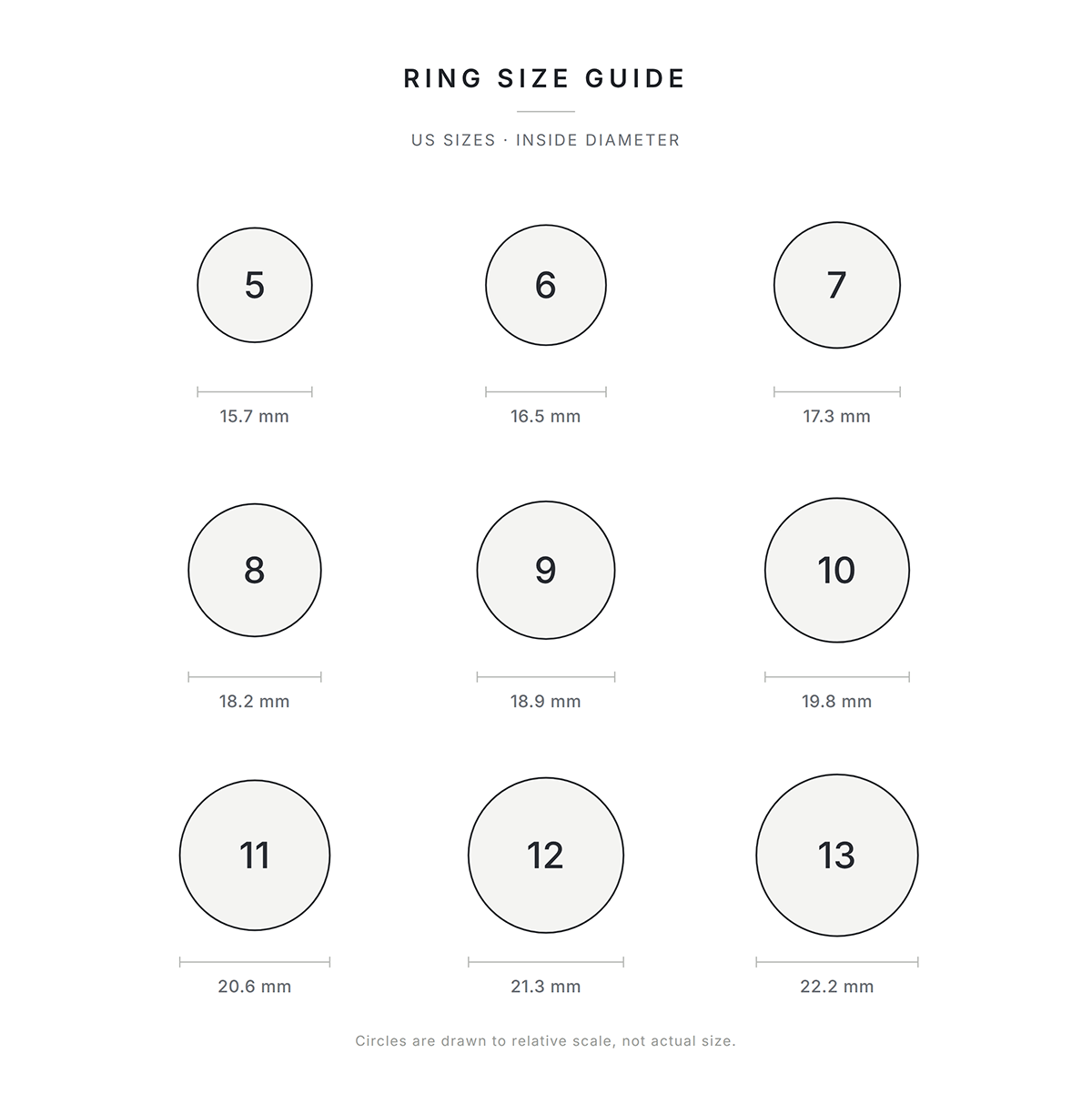
Use the table below to compare U.S. ring sizes with inside diameter and inside circumference measurements.
| U.S. Ring Size | Diameter Inches | Diameter mm | Circumference Inches | Circumference mm |
|---|---|---|---|---|
| 1/2 | 15/32 | 11.95 | 1 31/64 | 37.60 |
| 1 | 31/64 | 12.37 | 1 17/32 | 38.90 |
| 1 1/2 | 1/2 | 12.78 | 1 37/64 | 40.20 |
| 2 | 33/64 | 13.21 | 1 41/64 | 41.50 |
| 2 1/2 | 17/32 | 13.61 | 1 11/16 | 42.70 |
| 3 | 35/64 | 14.05 | 1 47/64 | 43.40 |
| 3 1/2 | 9/16 | 14.45 | 1 25/32 | 44.90 |
| 4 | 37/64 | 14.86 | 1 27/32 | 46.50 |
| 4 1/2 | 19/32 | 15.27 | 1 57/64 | 47.80 |
| 5 | 5/8 | 15.70 | 1 15/16 | 49.00 |
| 5 1/2 | 41/64 | 16.10 | 1 63/64 | 50.30 |
| 6 | 21/32 | 16.51 | 2 3/64 | 51.50 |
| 6 1/2 | 43/64 | 16.92 | 2 3/32 | 52.80 |
| 7 | 11/16 | 17.35 | 2 9/64 | 54.00 |
| 7 1/2 | 45/64 | 17.75 | 2 13/64 | 55.30 |
| 8 | 23/32 | 18.19 | 2 1/4 | 56.60 |
| 8 1/2 | 47/64 | 18.53 | 2 19/64 | 57.80 |
| 9 | 3/4 | 18.89 | 2 11/32 | 59.10 |
| 9 1/2 | 49/64 | 19.41 | 2 13/32 | 60.60 |
| 10 | 25/32 | 19.84 | 2 29/64 | 62.20 |
| 10 1/2 | 51/64 | 20.20 | 2 1/2 | 63.10 |
| 11 | 13/16 | 20.68 | 2 9/16 | 64.30 |
| 11 1/2 | 53/64 | 21.08 | 2 39/64 | 65.70 |
| 12 | 27/32 | 21.49 | 2 21/32 | 67.90 |
| 12 1/2 | 55/64 | 21.89 | 2 45/64 | 68.50 |
| 13 | 7/8 | 22.33 | 2 49/64 | 70.10 |
For the best result, measure a ring that already fits the intended finger comfortably. Measure only the inside diameter and compare that measurement with the conversion chart above.
Fingers can change size during the day and with temperature. If you are measuring your finger directly, avoid measuring when your hands are unusually cold or swollen.
Wider rings can also feel tighter than narrow bands, so the width and design of a particular ring should be considered when choosing a size.
Ring size can also be estimated by measuring the circumference of the finger. A flexible measuring tape or a proper ring-sizing tool can be wrapped around the part of the finger where the ring will sit.
The measurement should be comfortably snug without squeezing the finger. Compare the resulting circumference in millimeters with the conversion table above.
If your measurement falls between two sizes, the shape and width of the ring can influence which size will provide the better fit.
A properly fitted ring should feel secure but comfortable. It should slide over the knuckle with slight resistance and sit on the finger without feeling excessively tight.
The ideal fit depends on the shape of your finger as well as the design of the ring. People with larger knuckles may need enough room for the ring to pass over the knuckle while still fitting comfortably at the base of the finger.
Wide bands generally fit more snugly than narrow bands of the same size. For particularly wide or sculptural rings, a slightly larger size may sometimes be more comfortable.
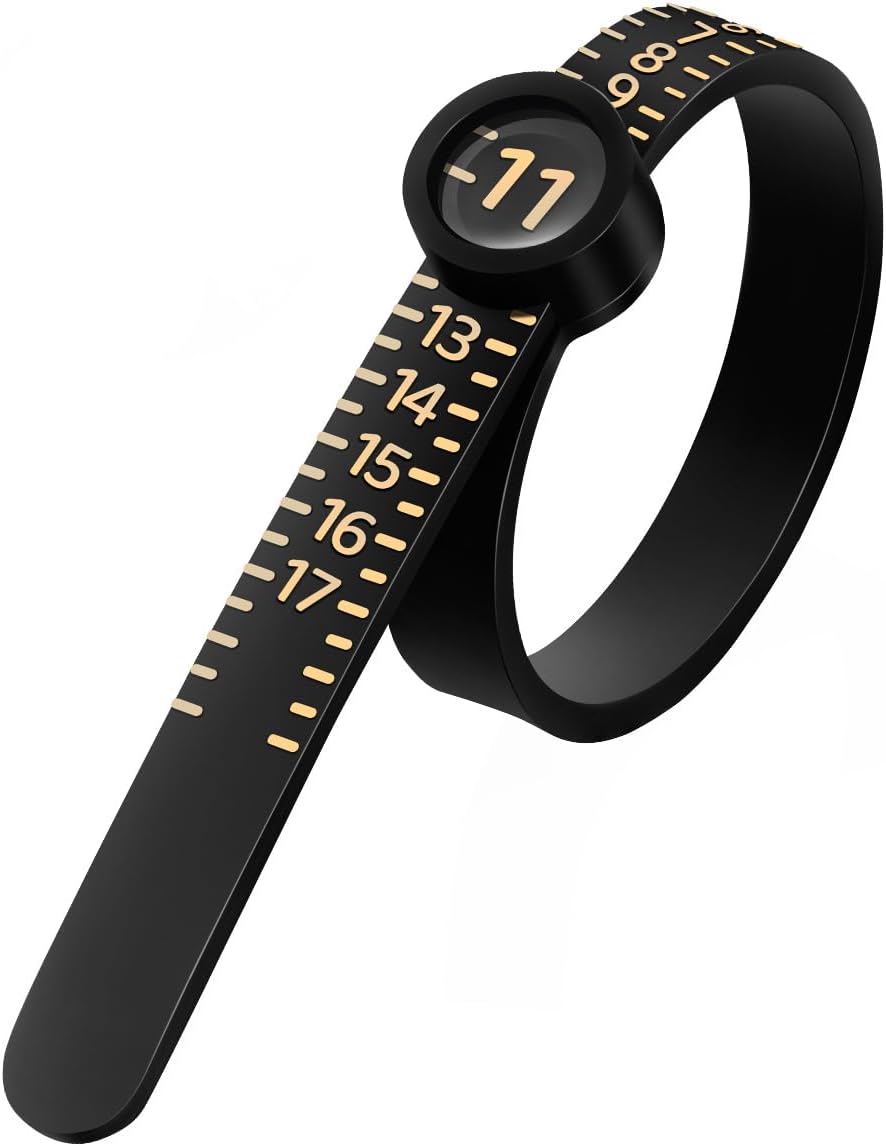
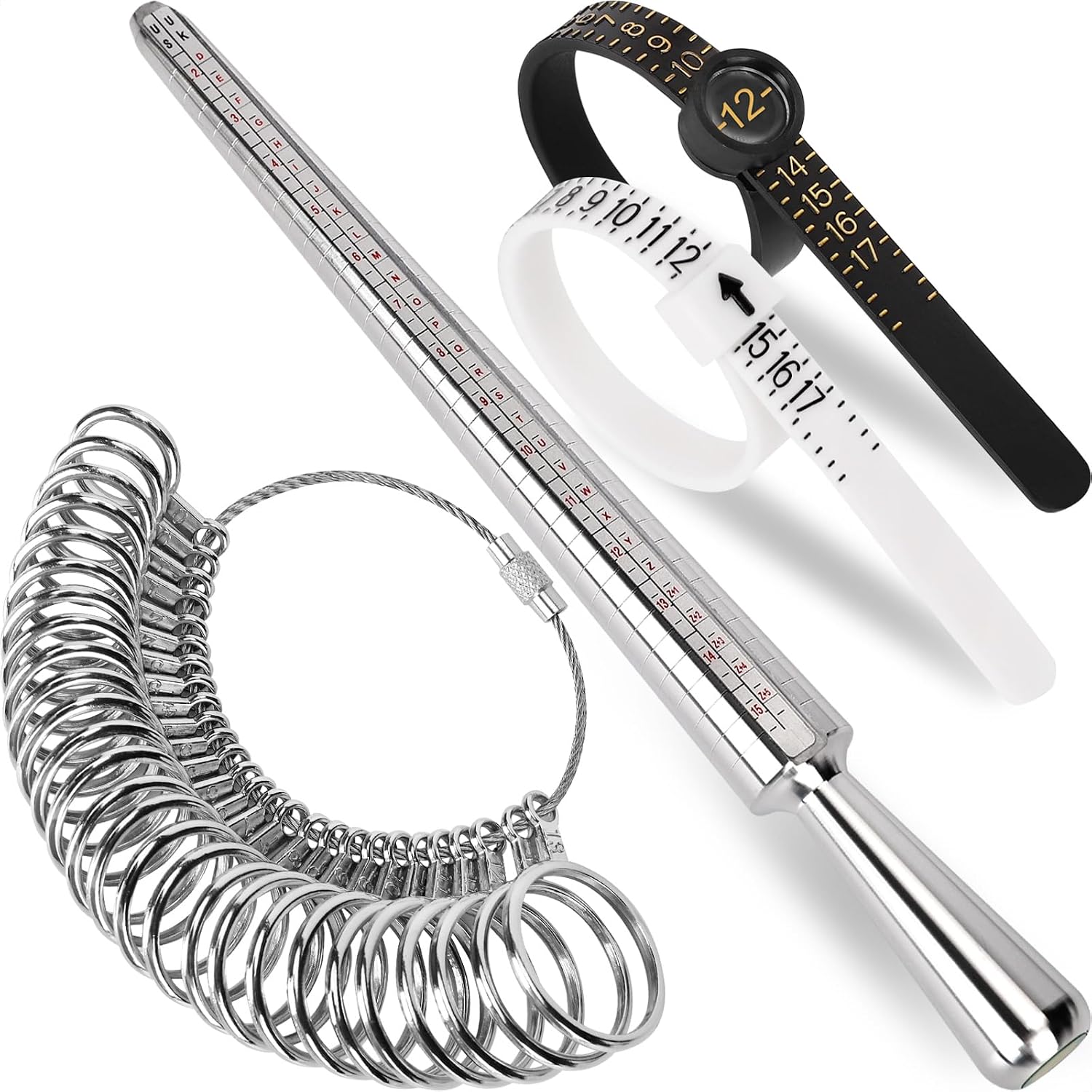
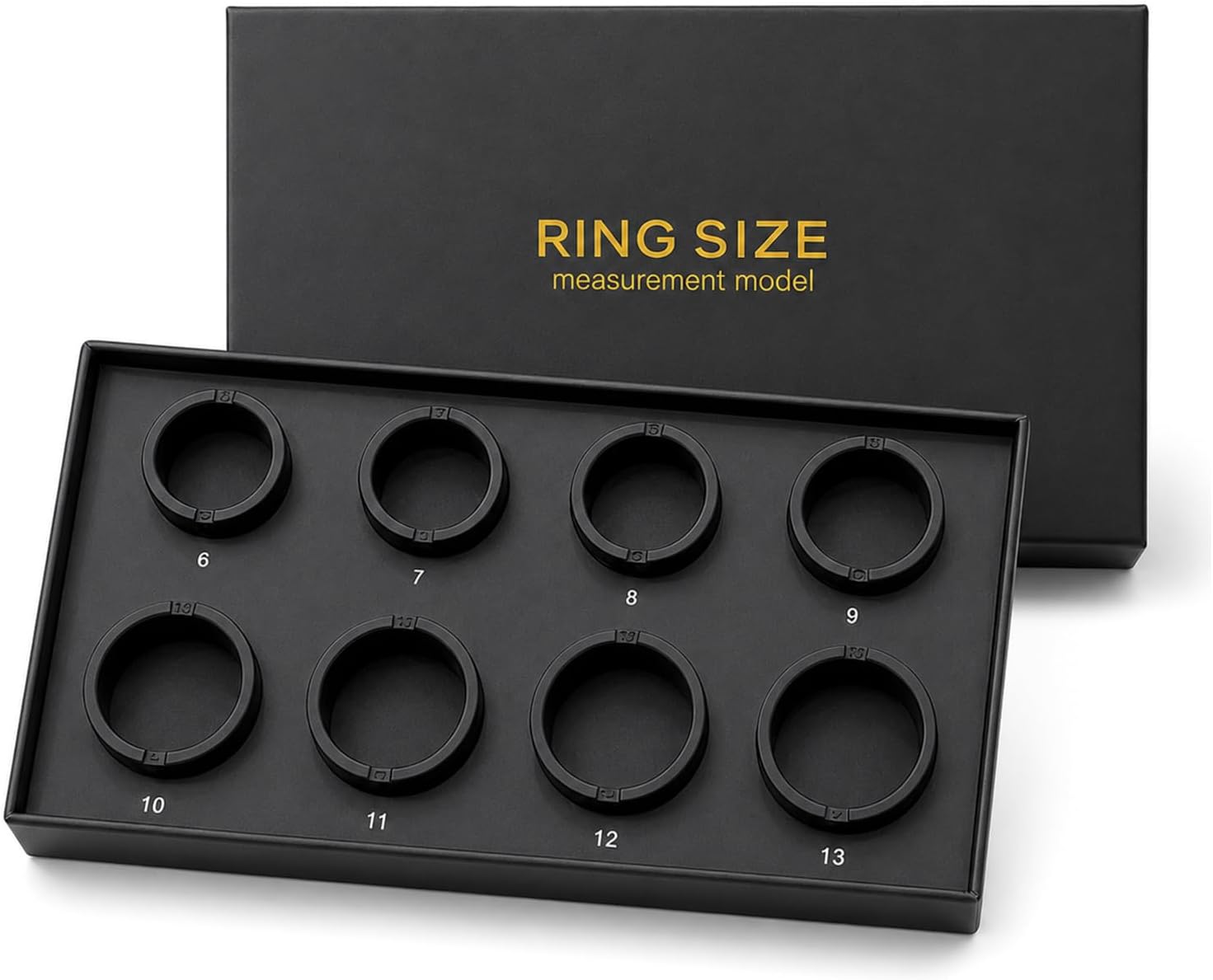
Once you know your ring size, explore Oliver Hampel's contemporary rings, including sterling silver rings and 18K gold rings.
Necklace length affects where a necklace or pendant sits on the body. The same necklace length can appear slightly different depending on a person's height, neck size, body proportions and the size of the pendant.
Common necklace lengths include:
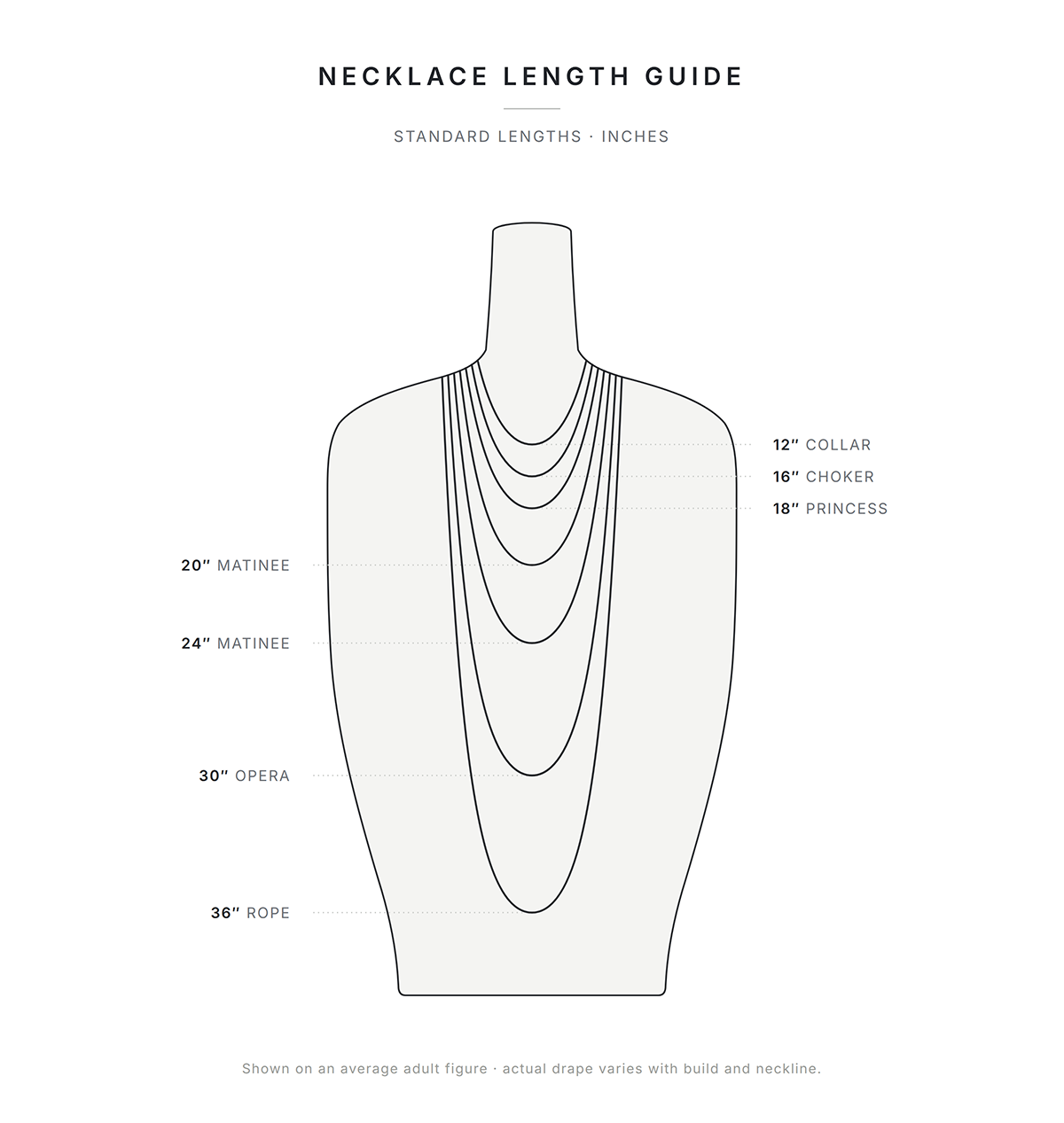
These positions are approximate. Pendant dimensions and individual body proportions can noticeably affect where a necklace appears to sit.
To estimate bracelet size, measure around your wrist at the point where you normally wear a bracelet. A flexible measuring tape works well for this measurement.
Measure comfortably against the skin without pulling the tape too tightly. The amount of additional room needed depends on the style of the bracelet and how loosely you prefer to wear it.
A fitted bracelet requires less additional room, while a looser bracelet will require more. Cuffs and sculptural bracelets may fit differently from conventional chain or link bracelets because their shape and opening are part of the design.
